

Tasmeem Doha 2026: Transmit is proud to announce a series of talks and a performance, taking place at the VCUarts Qatar Campus from November 5-7, 2026.
November 5 > Day 1: Intergenerational Knowledge
10:00 am House of Gul (Ali Van Godil)
11:00 am Elham AlDawsari [in Arabic]
12:00 pm Studio Chahar (Yasaman Esmaili)
1:15 pm Discussion Panel, Moderator: Al-Shaima Ayoub
The first day explores how knowledge moves between generations and evolves over time. From practices that merge ethics with aesthetics, to preservation of family archives, and design practices that unite tradition with innovation. Where each act of transmission continues the chain of knowledge.
November 7 > Day 2: Reframing Knowledge
2:00 pm Kameelah Janan Rasheed
3:00 pm Anthropology_bel3araby (Farah Hallaba) [in Arabic]
4:00 pm Closing Keynote: Slavs & Tatars
5:15 pm Discussion Panel, Moderator: Al-Shaima Ayoub
6:30 pm False Vectors by Muqata’a and Fairouz Hasan
The last day brings together practices that rethink how knowledge is gathered, connected, and reinterpreted. From shared forms of knowledge through writing practices, to accessible anthropology, and cross-cultural work that blends research with humour. Each expands how we access, share, and engage with knowledge.
٥ نوفمبر > اليوم الأول: المعرفة بين الأجيال
يستكشف اليوم الأول سُبل انتقال المعرفة بين الأجيال وتطورها عبر الزمن؛ بدءاً من الممارسات التي تمزج بين الأخلاق والجماليات، ومروراً بالحفاظ على الأرشيفات العائلية، ووصولاً إلى ممارسات التصميم التي تجمع بين التقاليد والابتكار؛ حيث تواصل كل عملية نقلٍ وتبادل للمعرفة في ربط حلقات تلك السلسلة المعرفية وامتدادها عبر الأجيال.
٧ نوفمبر > اليوم الثاني: المعرفة المتجسدة
يجمع اليوم الأخير بين ممارسات تعيد النظر في كيفية جمع المعرفة ونسج الروابط بينها، وإعادة تفسيرها؛ بدءاً من الأشكال المشتركة للمعرفة عبرالممارسات الكتابية، ومروراً بالأنثروبولوجيا المتاحة للجميع ووصولا إلى ممارسات عابرة للثقافات تمزج بين البحث وروح الدعابة. تسهم هذه الممارسات في توسيع آفاق وصولنا إلى المعرفة وتبادلها والتفاعل معها.
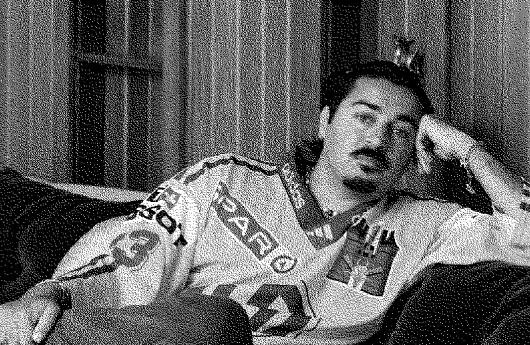
Ali Van Godil is an artist, designer and creative director that creates work that honors the spiritual and artistic legacy of his people. Using design, art, and production as a vessel of universal love and joy. Working internationally while based in Oregon and New York.
علي فان جوديل فنان ومصمم ومدير إبداعي، يُبدع أعمالًا تُكرّم الإرث الروحي والفني لشعبه، مستخدمًا التصميم والفن والإنتاج كوسيلة لنشر الحب والفرح العالميين. يعمل على الصعيد الدولي، ويتخذ من ولايتي أوريغون ونيويورك مقرًا له.
Thurs 5 Nov, 10AM
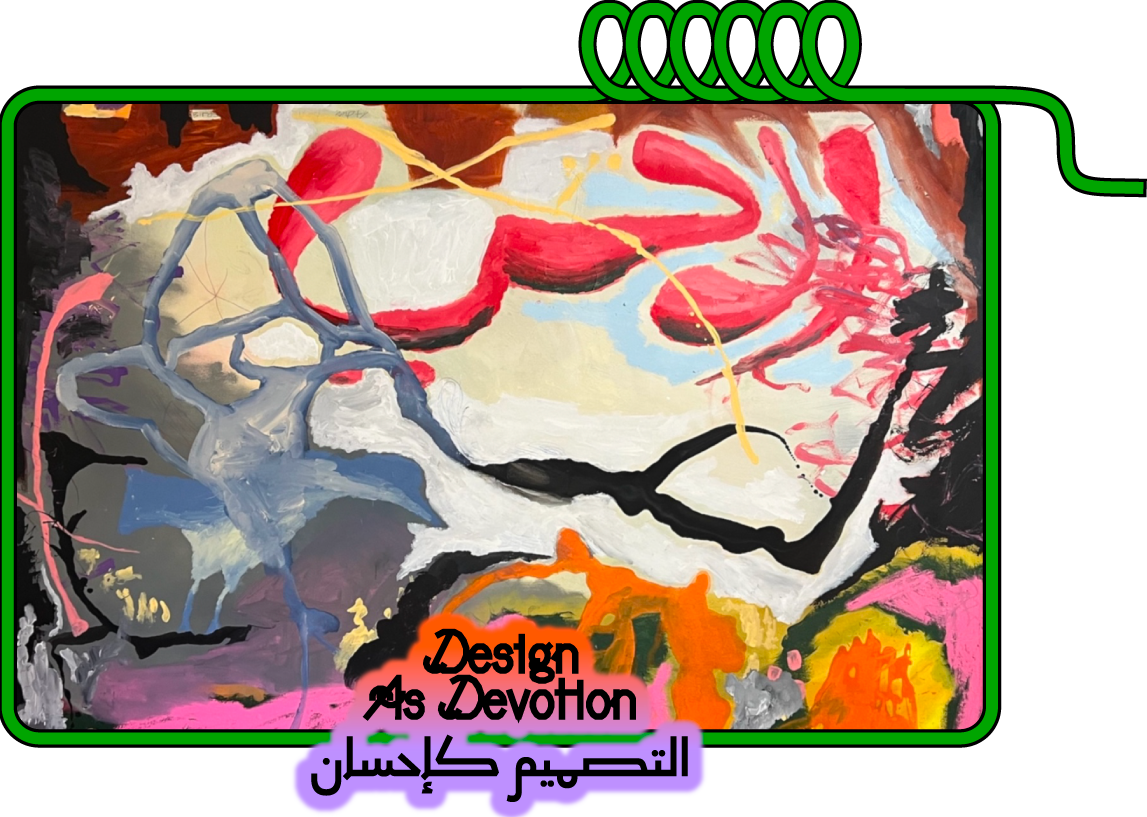
House of Gul presents a talk to help drop unconscious habits, awaken the inner life, and build a creative home for expressing your highest self. Together we will explore the realms of art, design, and devotion, using beauty as a portal to contemplate God, ancestry, and the unseen forces that hold us. This work highlights ancient spiritual practices and explores our contemporary design work (commercial and cultural) through a conceptual framework of translation: translating inner states into form, ancestral memory into contemporary language, and spiritual longing into visual presence. Our design language draws from the coexistence of softness and strength, the sacred intelligence of ornament, and the ways nature, light, color, and geometry echo divine order and universal love.
تقدم “هاوس أوف جول” محاضرة تهدف إلى المساعدة على التحرر من العادات اللاواعية، وإيقاظ الحياة الداخلية، وبناء مساحة إبداعية للتعبير عن أسمى ما في الذات. سنستكشف معاً عوالم الفن والتصميم والإحسان، متخذين من الجمال بوابةً للتأمل في الله، وإرث الأسلاف، والقوى الخفية التي تحتضن وجودنا . تسلط هذه المحاضرة الضوء على الممارسات الروحية العريقة، وتستكشف ممارسات التصميم المعاصرة (سواء التجارية أو الثقافية) من خلال إطار مفاهيمي قائم على “الترجمة”: ترجمة الحالات الداخلية إلى أشكال ملموسة، وذاكرة الأسلاف إلى لغة معاصرة، والتوق الروحي إلى حضور بصري. تستمد لغتنا التصميمية إلهامها من التناغم بين الرقة والقوة، ومن الذكاء الكامن في الزخرفة، ومن الطرق التي تعكس بها الطبيعة والضوء واللون والهندسة النظام الإلهي والحب الكوني الشامل.

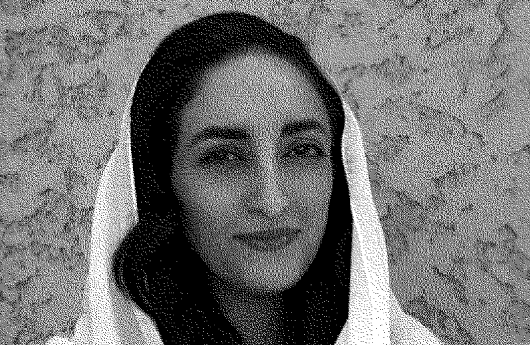
Elham AlDawsari is a Saudi artist and writer engaging memory, women’s histories, and archival inheritance. Her early projects, including Subbabat (a photo-essay on traditional Saudi coffee women) and N’fah (sculptural studies of 1980s–90s domestic figurines) centered the overlooked visual language of Saudi women’s lives. These research-led methods continue to shape her practice in Studio Bin Hattan, where she reanimates her family’s visual archives and early digital material to explore how personal
and collective histories form contemporary visual language.
الهام الدوسري فنانة وكاتبة سعودية، تتناول في أعمالها الذاكرة وتاريخ المرأة والتراث الأرشيفي. ركزت مشاريعها المبكرة، ومنها “الصبابات” (مقالة ومجموعة صور فوتوغرافية عن نساء سعوديات يعملن في تحضير القهوة التقليدية في المملكة العربية السعودية) و”نِفاه” (دراسات نحتية لتماثيل منزلية من ثمانينيات وتسعينيات القرن الماضي)، حول اللغة البصرية التي غالبًا ما يتم تجاهلها في حياة المرأة السعودية. ولا تزال هذه المناهج البحثية تُشكّل ممارستها الفنية في “استوديو بن حتّان”، حيث تُعيد إحياء الأرشيف البصري لعائلتها والمواد الرقمية القديمة لاستكشاف كيفية تشكّل اللغة البصرية المعاصرة من خلال التاريخ الشخصي والجماعي.
Thurs 5 Nov, 11AM [in Arabic]
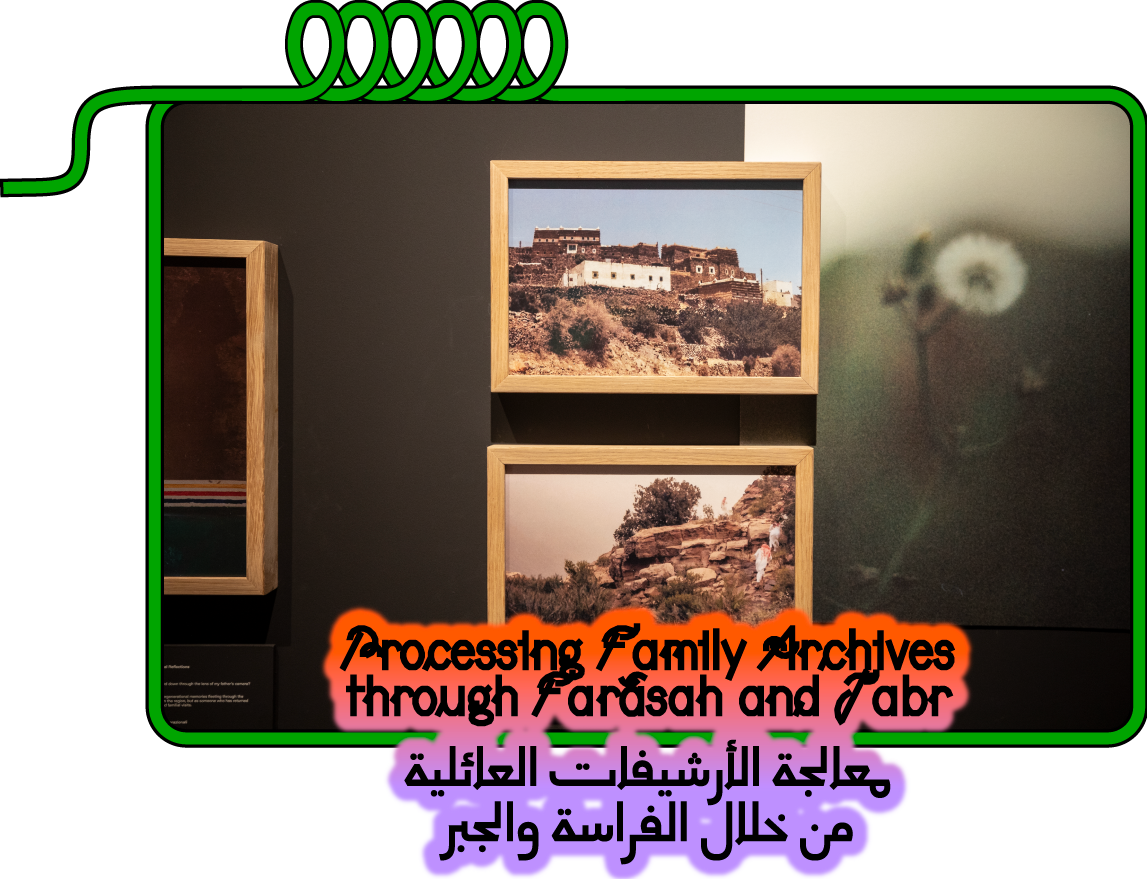
This talk emerges from Elham Aldawsari’s work digitizing and activating a familial visual and digital archive through Studio Bin Hattan. It approaches the archive through a deliberate methodology, as a distinct inheritance that is deeply personal but, in accumulation with other family archives, may enrich the local narrative. She turns to examples from her father’s photography and early Arab computing, when the Arab Islamic logic and philosophy he held encountered the digital. Drawing on the concepts of farāsah and jabr, Aldawsari examines our fragmented orality in an age of automation and algorithms: what is its relationship to our collective memory, and to who we will become?
ينطلق هذا الحوار من تجربة إلهام الدوسري في رقمنة أرشيف عائلي بصري ورقمي وتفعيله عبر “ستوديو بن حتّان”، الذي يتعامل مع الأرشيف العائلي بمنهجية متأنية، لما يحمله من موروث خاص ذي بعد شخصي، مع احتمال إثرائه للسردية المحلية حين يتراكم مع غيره من الأرشيفات العائلية. وتستعرض أمثلة من تجارب والدها في التصوير وبواكير الحوسبة العربية حين التقى منطقه وفلسفته في التراث الإسلامي العربي بالبدايات الرقمية. فتستقي الدوسري من مفهومي الفراسة والجبر، وتستقرئ استعادة شفاهيتنا المتشظية في عصر الأتمتة والخوارزميات: ما علاقتها بذاكرتنا الجمعية، وبمن سنكون مستقبلًا؟


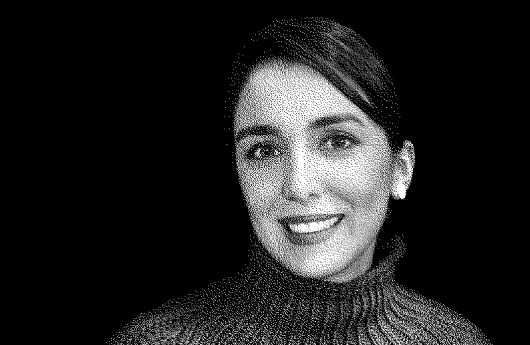
Yasaman Esmaili is an architect, educator, and founder of Studio Chahar, a design research practice focused on cultural design, innovative and ecological resilience, and community-led design. She holds degrees from the University of Tehran, the University of Arizona (M.Arch), and the University of Washington (M.S.). Yasaman is the recipient of the Digital Futures Critical Practice Award (2024), the University of Washington GOLD Award (2023), and the Tamayouz Women in Architecture Award (2020). Her projects have been shortlisted for
the Aga Khan Award (2022) and recognized with the Global Silver and Regional Gold Awards from the LafargeHolcim (2017–2018).Her work has been exhibited internationally, including at the 5th Chicago Biennial (2023–24), the 15th Venice Biennale (2016), and MOMA (2024). Esmaili has taught at the Wentworth Institute of Technology, Roger Williams University, and the University of Washington, and has served as a guest critic at institutions such as Harvard, Yale, and Pratt.
ياسمان إسماعيلي مهندسة معمارية، ومُدرِّسة، ومؤسسة “ستوديو جهار”، وهي ممارسة بحثية متخصصة في التصميم الثقافي، والابتكار، والمرونة البيئية، والتصميم المجتمعي. تحمل شهادات من جامعة طهران، وجامعة أريزونا (ماجستير في الهندسة المعمارية)، وجامعة واشنطن (ماجستير في العلوم). حصلت ياسمان على جائزة “المستقبل الرقمي” للممارسة النقدية عام (2024)، وجائزة جولد من جامعة واشنطن عام (2023)، وجائزة “تميز” للنساء في الهندسة المعمارية عام (2020). رُشِّحت مشاريعها لجائزة الآغا خان للعمارة (2022)، وحصلت على الجائزة الفضية العالمية والجائزة الذهبية الإقليمية من “لافارج هولسيم” (2017-2018). عُرضت أعمالها دوليًا، بما في ذلك في بينالي شيكاغو الخامس (2023-2024)، وبينالي البندقية الخامس عشر (2016)، ومتحف الفن الحديث (2024). درّست في معهد وينتورث للتكنولوجيا، وجامعة روجر ويليامز، وجامعة واشنطن، وعمل كناقد ضيف في مؤسسات مرموقة مثل هارفارد، وييل، وبرات.
Thurs 5 Nov, 12PM
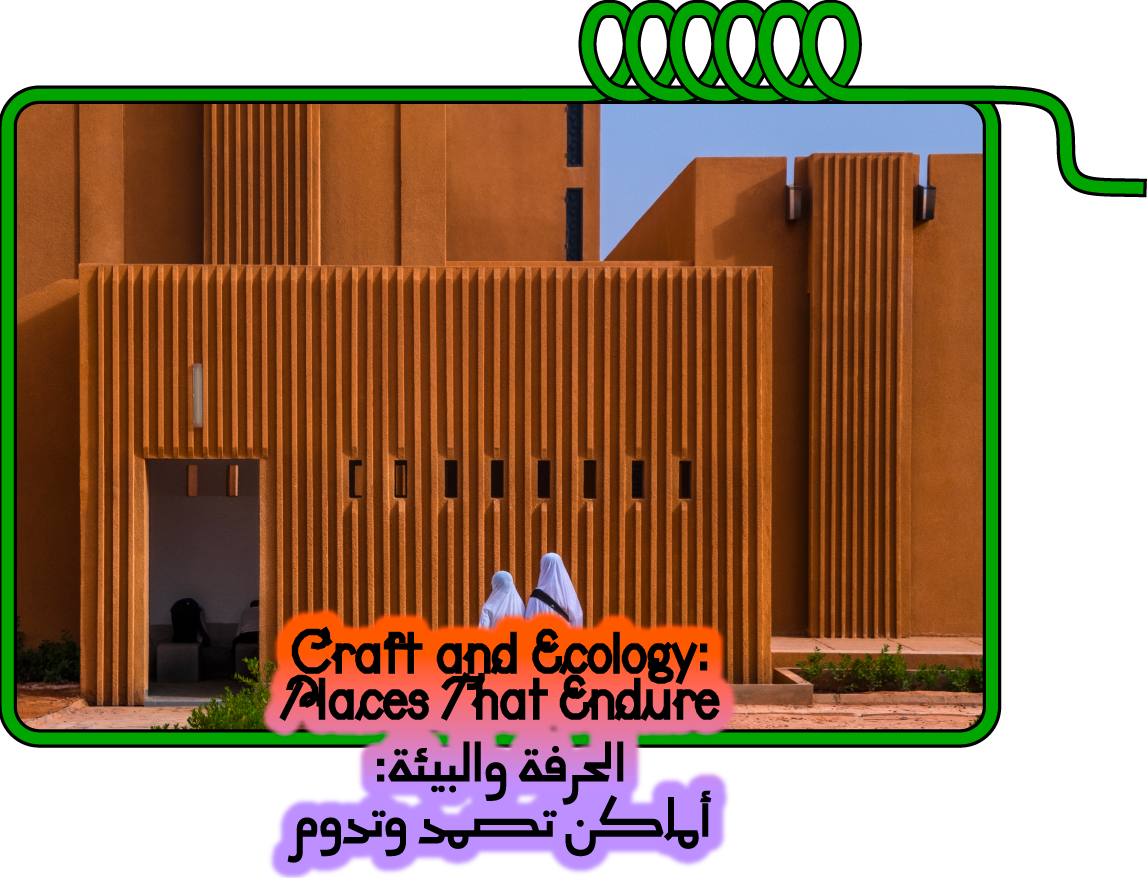
Architecture endures when craft, ecology, and economy stay in balance. In this talk, Yasaman Esmaili shares how “crafting architecture” works as a living algorithm: a method refined through making, failure, iteration, and repair. Through the Gouron Open-Air Museum and Sarzurzuma Mangroves in Iran—to the Hikma cultural and religious complex, and the Niamey 2000 housing project in Niger, we will talk about advancing local knowledge without freezing it as nostalgia, and creating contemporary architectural solutions that can educate, sustain, and endure. Let’s think about a design process where ideas can be exchanged through borders—so the local not only remains grounded, but can prevail, evolve, and advance into global practice.
تصمد وتدوم العمارة حين تتحقق حالة من التوازن بين الحرف والبيئة والاقتصاد. في هذه المحاضرة، تستعرض ياسمان إسماعيلي كيف تعمل “صياغة العمارة” كخوارزمية حية؛ منهجا يتبلور ويتطور عبر الممارسات العملية، والفشل، والتكرار، والإصلاح. ومن خلال استعراض مشاريع متنوعة من متحف “غورون” المفتوح وغابات المانغروف في “سارزورزوما” بإيران، ووصولاً إلى مجمع “الحكمة” الثقافي والديني ومشروع “نيامي 2000″ السكني في النيجر— سنناقش سبل تعزيز المعرفة المحلية دون حصرها في إطار من الحنين إلى الماضي، وكيفية ابتكار حلول معمارية معاصرة قادرة على التعليم وتحقيق الاستدامة والصمود عبر الزمن. لنفكر معاً في عملية تصميم تتيح تبادل الأفكار عبر الحدود؛ بحيث لا تظل الممارسات المحلية راسخة في سياقها فحسب، بل تتمكن أيضاً من الاستمرار والتطور والارتقاء لتصبح جزءاً من الممارسات المعمارية العالمية.


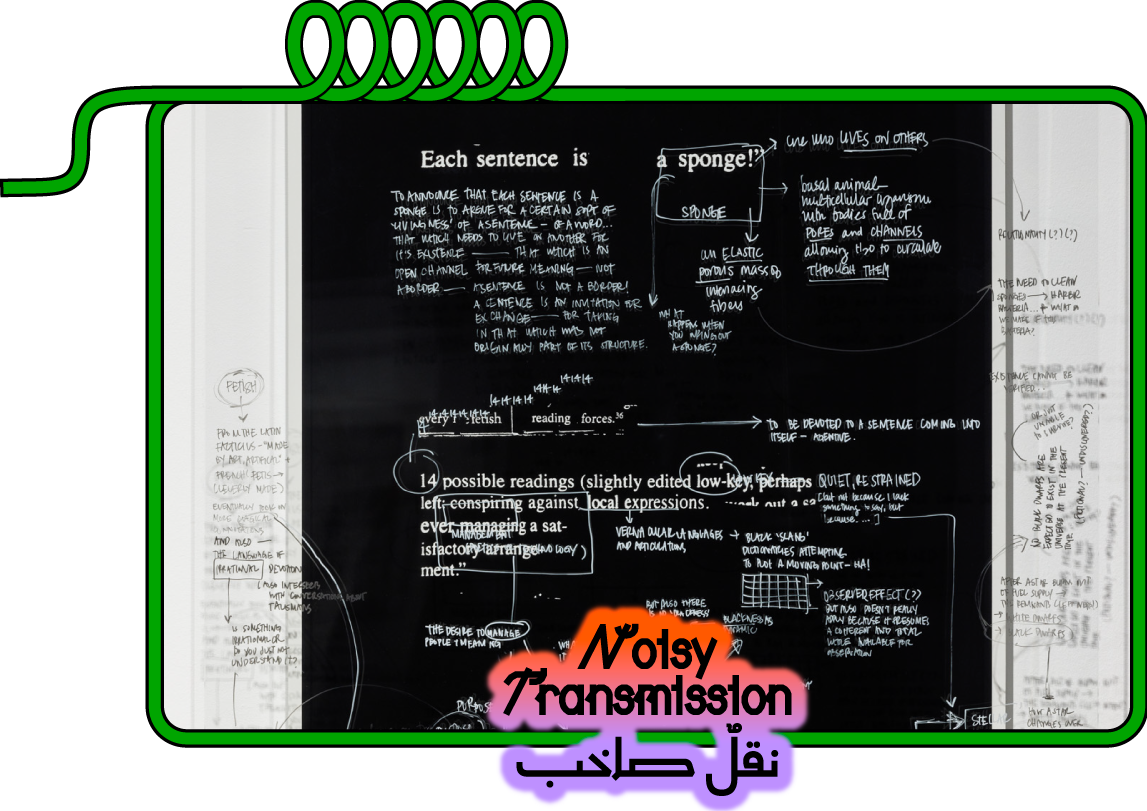
Kameelah Janan Rasheed is a learner and a death doula in training. Her middle name, Janan, meaning heart and soul, comes from the Arabic trilateral root (J-N-N / جنان) evoking that which is unmoored, veiled, and wayward. Accordingly, she explores the politics and poetics of non-compliance and disobedience across written, spoken, and visual language. A “language person” (Paul Soulellis), she “gives language a body” (Chang Yuchen)
through her large-scale installations, multichannel video works, publications, software, performance, public archives, and learning platforms.
She has received awards, including a Guggenheim Fellowship (2021) and a Creative Capital Award (2022), and has had exhibitions worldwide. Rasheed is a full-time critic at Yale University’s School of Art and the inaugural Charles Gaines Chair at CalArts. Through KJR Studios, she founded The Little Octopus School and Orange Tangent Study, initiatives centered on collaborative learning and institutional experimentation.
كاميلا جنان رشيد متعلمة ومتدربة في مجال مرافقة المحتضرين (Death Doula – قابلة الوفاة). اسمها الأوسط، جنان، الذي يعني القلب والروح، ومشتق من الجذر العربي الثلاثي (ج-ن-ن) الذي يوحي بما هو غير مستقر، أو محجوب، أو متقلب وشارد. وتبعا لذلك، فهي تستكشف سياسات وشعريات عدم الامتثال والعصيان عبر اللغة المكتوبة والمنطوقة والمرئية. وبصفتها “شخص لغة” (بول سوليليس)، فإنها “تمنح اللغة جسدًا” (تشانغ يوتشن) من خلال أعمالها التركيبية واسعة النطاق، وأعمال الفيديو متعددة القنوات، والمنشورات، والبرمجيات، والعروض الأدائية، والأرشيفات العامة، ومنصات التعلم.
حصلت على جوائز، منها زمالة غوغنهايم (2021) وجائزة رأس المال الإبداعي (2022)، وأقامت معارض في جميع أنحاء العالم. تشغل كاميلا منصب ناقدة متفرغة في كلية الفنون بجامعة ييل، وهي أول من شغل كرسي تشارلز غينز في معهد كاليفورنيا للفنون. من خلال استوديوهات KJR، أسست مدرسة الأخطبوط الصغير ودراسة المماس البرتقالي، وهما مبادرتان تركزان على التعلم التعاوني والتجريب المؤسسي.
Sat 7 Nov, 2PM
This lecture explores gestures of noise, disobedience, excess, and unintelligibility that generate friction within systems of knowledge transmission built around efficiency, fidelity, and seamlessness. As we urgently attend to these frictions, we must ask who determines what counts as knowledge, what is worth transmitting, and what reaches the threshold of intelligibility. We must ask: What political ends are served through these distinctions? Transmission is not a neutral process; it is a nimble entanglement that can reveal the political choices that govern what is allowed to circulate, what is worthy of our attention, and what is rendered noise.
تستكشف هذه المحاضرة أشكالاً من الضجيج، والعصيان، والإفراط، والغموض و وانعدام الوضوح؛ وما تولده هذه العناصر من احتكاكات داخل أنظمة نقل المعرفة القائمة على الكفاءة والدقة والانسيابية. وفي سعينا المُلح إلى تأمل هذه الاحتكاكات، نتساءل: من يحدد ما هي المعرفة، وما الذي يستحق النقل، وما الذي يبلغ القابلية للفهم والإدراك؟ ولا بد أن نسأل: ما هي الغايات السياسية التي تخدمها هذه التصنيفات؟ فنقل المعرفة ليست عملية محايدة؛ بل هي تشابكٌ مرنٌ ومعقد يكشف عن الخيارات السياسية التي تتحكم في ما يُسمح بتداوله، وما يُعد جديراً باهتمامنا، وما يُصنّف في النهاية باعتباره “مجرد ضوضاء”.

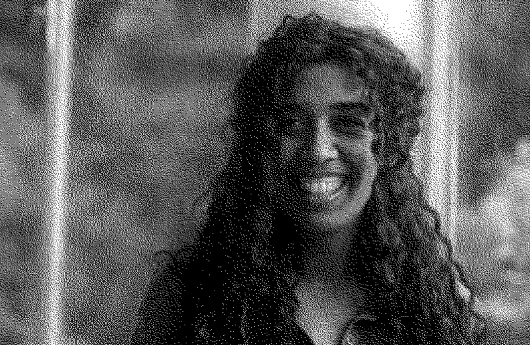
Farah Hallaba(1996, Cairo) obtained her MA in Social Anthropology and Visual Ethnography from University of Kent. She started @anthropology_bel3araby انثروبولوجي بالعربي in 2019, aiming to publicize anthropology in an accessible way and in Arabic. She has been doing short engaging online videos and collaborative workshops since then; mainly Visual Anthropology workshops and Collaborative Anthropology workshops about social class and migration to the Gulf; which produced “Being Borrowed” multi-media Exhibition
and Publication, 2022. In 2024, Farah received a grant from AFAC to produce “Anthropology BelAraby Lab” that aims to create a space between anthropological inquiry and curatorial practices. Farah was a resident teaching fellow at CILAS teaching Ethnographic Studies 2021-2022. On another note, Farah is part of Safeena 7 collective that engages critically and collectively with the image, photography and its practices. She also shares a creative space in downtown Cairo, where she collaborates with artists to offer spaces for creative discussion-based knowledge and art production.
فرح حلابة (مواليد ١٩٩٦، القاهرة) حاصلة على ماجستير في الأنثروبولوجيا (علم الإنسان الاجتماعي) والإثنوغرافيا البصرية (دراسة الناس والثقافات) من جامعة كنت. أسست مبادرة anthropology_bel3araby (أنثروبولوجي بالعربي) عام ٢٠١٩، بهدف نشر الأنثروبولوجيا بأسلوب مبسط وباللغة العربية. ومنذ ذلك الحين، وهي تقدم مقاطع فيديو قصيرة عبر الإنترنت، بالإضافة إلى ورش عمل تفاعلية؛ تركز بشكل أساسي على ورش عمل الأنثروبولوجيا البصرية وورش عمل الأنثروبولوجيا التفاعلية حول الطبقة الاجتماعية والهجرة إلى الخليج، والتي أثمرت معرضًا ومنشورًا متعدد الوسائط بعنوان “مُستعار” عام ٢٠٢٢. وفي عام ٢٠٢٤، حصلت على منحة من مؤسسة AFAC لإنتاج “مختبر الأنثروبولوجيا بالعربي” والذي يهدف إلى خلق مساحة بين البحث الأنثروبولوجي وممارسات التنسيق والتقييم الفني. عملت فرح كباحثة مقيمة في مركز (CILAS) حيث درّست الدراسات الإثنوغرافية خلال العام الدراسي ٢٠٢١-٢٠٢٢. إضافةً إلى ذلك، تُعدّ فرح عضوًا في مجموعة “Safeena 7” التي تُعنى بالصورة والتصوير الفوتوغرافي وممارساتهما بشكل نقدي وجماعي. كما تُشارك فرح في إدارة مساحة إبداعية بوسط القاهرة، حيث تتعاون مع فنانين لتوفير مساحات للمعرفة الإبداعية القائمة على النقاش وإنتاج الفن.
Sat 7 Nov, 3PM [in Arabic]
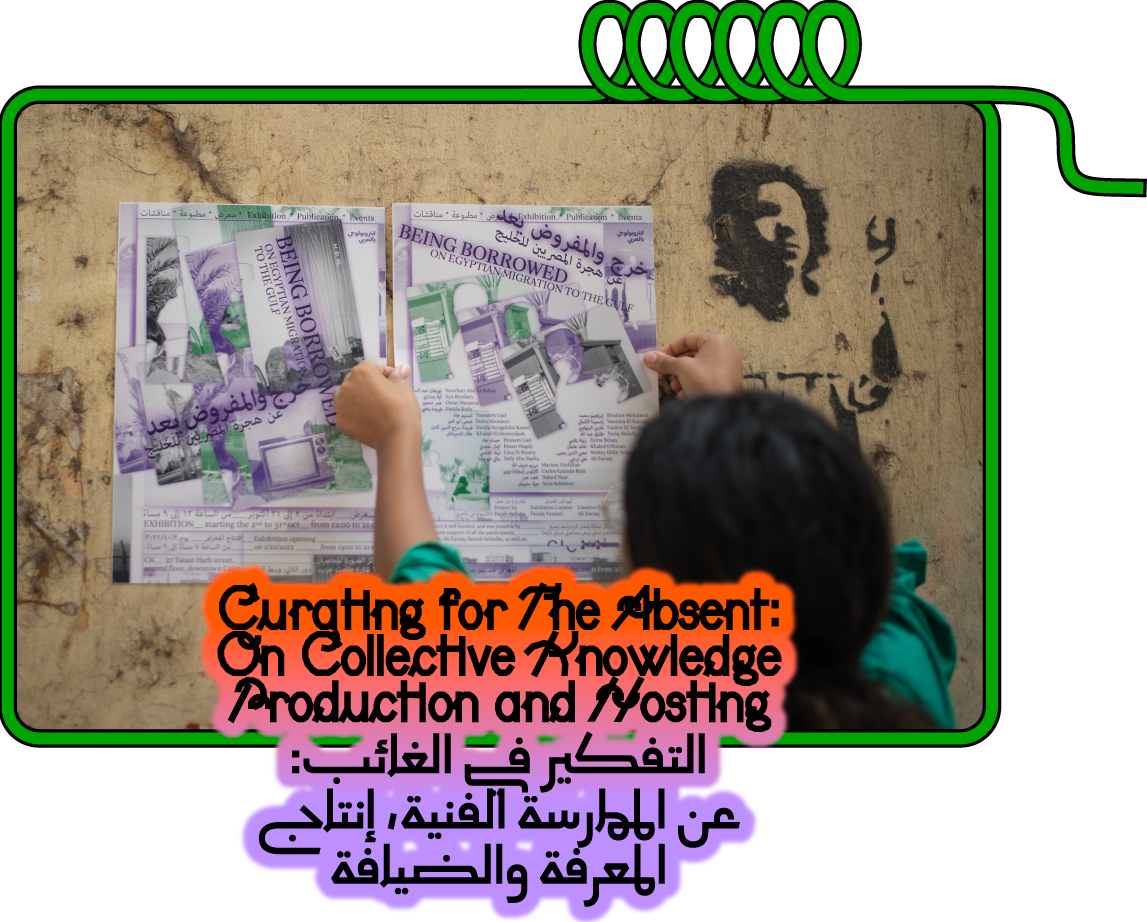
This talk reflects on curating as a practice of hosting; one that holds space not only for those present, but for the absent, imagined, and potential guest. Drawing on the concept of the rhizome, it explores how collective anthropological inquiry and curatorial practice intersect to produce and publicize knowledge. Through projects such as Anthropology bel3araby’s Being Borrowed: On Egyptian Migration to the Gulf and Anthropology Bel3araby’s Lab, the talk considers the emotional labor, politics of invitation, and vulnerability embedded in cultural programming as hosting, asking: how do we extend generosity beyond the threshold of presence?
يتساءل هذا الحوار عن كيف يمكن للممارسة الفنية، من برمجة وتنسيق، أن تكون شكلًا من أشكال الضيافة؟ مساحةً ترحّب بمن يحضر، وتترك مكانًا لمن غاب، ولمن نتخيّل حضوره أو ننتظر مجيئه؟ ينطلق هذا الحوار من التفكير في الممارسة الفنية بوصفها مساحةً لتبادل و إنتاج المعرفة، حيث تتقاطع الأسئلة البحثية والأنثروبولوجية مع التجارب الفنية، وتفتح المجال أمام أشكال جماعية من إنتاج المعرفة. ومن خلال التفكير في طرق عمل مثل «الريزوم»، نتأمل كيف يمكن للمعرفة أن تصل إلى جماهير أوسع، خارج حدود المكان والزمان اللذين تنشأ فيهما. استنادًا إلى تجربة «خرج والمفروض يعُد: عن هجرة المصريين إلى الخليج» ومشروع «معمل أنثروبولوجي بالعربي»، يفتح الحوار أسئلةً حول العمل العاطفي، وسياسات الدعوة، والهشاشة والحميمية في ممارسات البرمجة الفنية والثقافية. كيف نصنع مساحةً تتّسع لمن لا يستطيعون الحضور؟ وكيف يمكن للكرم أن يمتدّ إلى ما وراء اللقاء، ليشمل الغائبين، والذين لم نلتقِ بهم بعد، ومن قد يجدون طريقهم إلى هذه المساحة يومًا ما؟

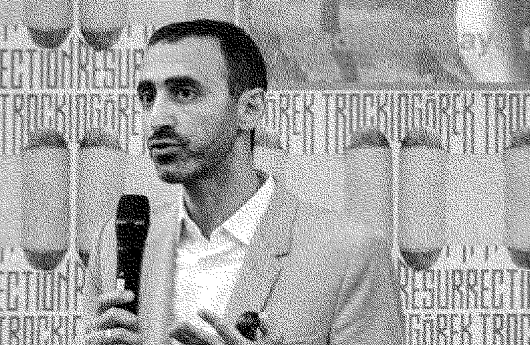
Slavs and Tatars is an internationally renowned art collective devoted to an area East of the former Berlin Wall and West of the Great Wall of China known as Eurasia. Since its inception in 2006, the collective has shown a keen grasp of polemical issues in society, clearing new paths for contemporary discourse via a wholly idiosyncratic form of knowledge production: including popular culture, spiritual and esoteric traditions, oral histories, modern myths, as well as scholarly research. Their work has been the subject of solo exhibitions at institutions across the globe, including the Vienna Secession; MoMA, New York; Salt, Istanbul; Albertinum Dresden, amongst others. The collective’s practice is based on three activities: exhibitions, publications, and lecture-performances.
Slavs and Tatars has published more than fifteen books to date, including most recently Simurgh Селф-Хелп (Self-Help) with JRP Editions and their first children’s book, Azbuka Strikes Back with Walther und Franz König. In 2020, Slavs and Tatars opened Pickle Bar, a slavic aperitivo bar-cum-project space a few doors down from their studio in the Moabit district of Berlin as well as a residency and mentorship program for young professionals from the region.
سلافز أند تترز مجموعة فنية ذات شهرة عالميةً، تكرس ممارساتها للمنطقة الواقعة شرق جدار برلين السابق وغرب سور الصين العظيم، والمعروفة باسم “أوراسيا”. ومنذ تأسيسها عام 2006، أظهرت المجموعة اهتماماً عميقاً بالقضايا المجتمعية المثيرة للجدل، وشقّت مسارات جديدة للخطاب المعاصر من خلال نهج فريد ومتميز في إنتاج المعرفة؛ يجمع بين الثقافة الشعبية، والتقاليد الروحية والباطنية، والتاريخ الشفهي، والأساطير الحديثة، إلى جانب الأبحاث الأكاديمية. عُرضت أعمالهم في معارض فردية في مؤسسات فنية حول العالم، منها “فيينا سيسيشن”، ومتحف الفن الحديث (MoMA) في نيويورك، ومركز “سولت” في إسطنبول، ومتحف “ألبرتينوم” في دريسدن، وغيرها. ترتكز ممارسة المجموعة الفنية على ثلاثة محاور: المعارض، والمنشورات، والمحاضرات الأدائية. وقد أصدرت المجموعة حتى الآن أكثر من خمسة عشر كتاباً، كان أحدثها كتاب “سيمورغ: سيلف-هيلب” (Simurgh Self-Help) بالتعاون مع دار النشر “JRP Editions”، وكتابهم الأول للأطفال “أزبوكا سترايكس باك” (Azbuka Strikes Back) بالتعاون مع دار “Walther und Franz König”. وفي عام 2020، افتتحت المجموعة “بيكِل بار” (Pickle Bar) -وهو مزيج بين حانة لتقديم المقبلات (أبيريتيفو) على الطراز السلافي ومساحة للمشاريع الفنية- يقع على مقربة من الاستوديو الخاص بهم في حي “موابيت” في برلين، كما أطلقوا برنامجاً للإقامة الفنية والإرشاد المهني مخصصاً للمحترفين الشباب من المنطقة.
Sat 7 Nov, 4PM
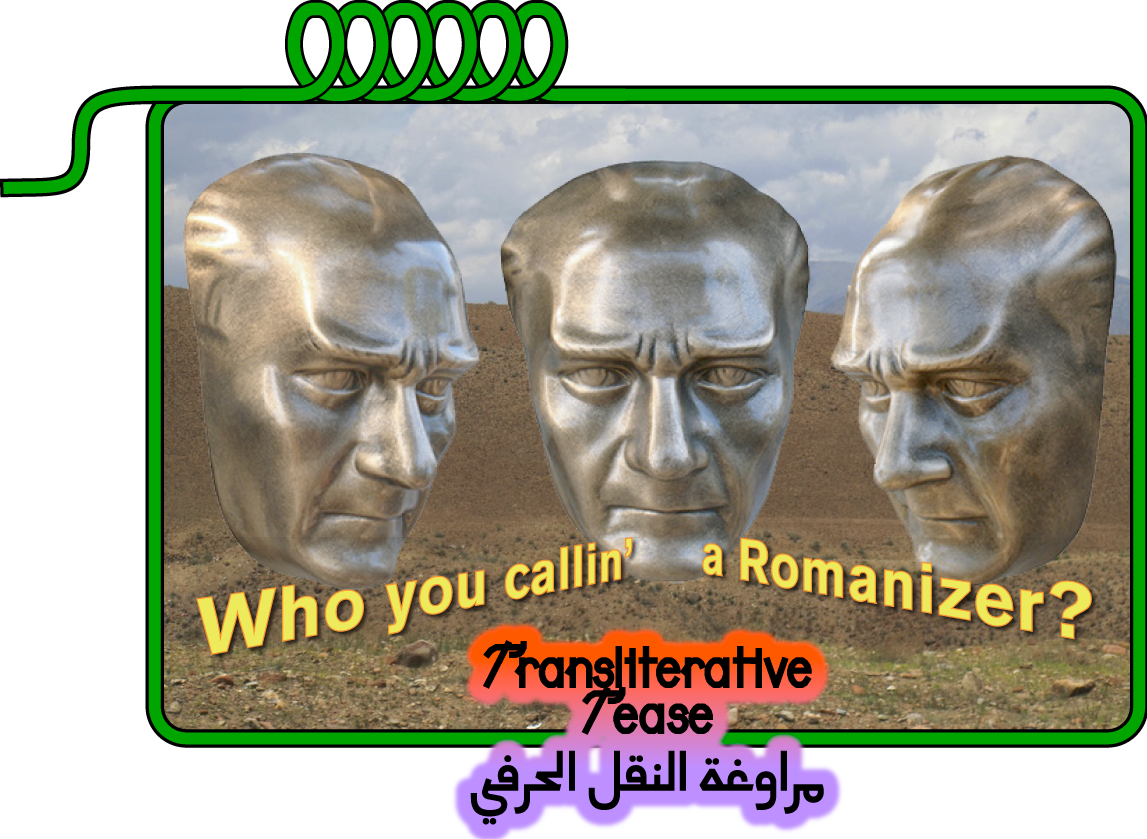
Through the lens of phonetic, semantic, and theological slippage, Transliterative Tease explores the potential for transliteration – the conversion of scripts – as a strategy equally of resistance and research into notions such as identity politics, colonialism, and faith. The lecture-performance focuses on the Turkic languages of the former Soviet Union, as well as the eastern and western frontiers of the Turkic sphere, namely Anatolia and Xinjiang/Uighuristan. Lenin believed that the revolution of the east begins with the Latinization of the alphabets of all Muslim subjects of the USSR. The march of alphabets has always accompanied that of empires – Arabic with the rise of Islam, Latin with that of Roman Caholicism, and Cyrillic with the Orthodox Church and subsequently communism. This lecture-performance attempts not to emancipate peoples or nations but rather the sounds rolling off our tongues.
The lecture-performance has been presented at Kunsthalle Zurich; Dallas Museum of Art; Salt, Istanbul; Albertinum, Dresden; The Museum of Modern Art, NY; Royal College of Art, London; and Yale School of Art, to name a few.
يستكشف عرض “مراوغة النقل الحرفي”، وبتسليط الضوء على الانزياحات الصوتية والدلالية واللاهوتية، إمكانات النسخ الحرفي – أي تحويل الكتابة – بوصفها استراتيجيةً تجمع بين المقاومة والبحث في سياق مفاهيم مثل سياسات الهوية، والاستعمار، والإيمان. يركز هذا العرض (الذي يجمع بين المحاضرة والأداء الفني) على اللغات التركية في الاتحاد السوفيتي السابق، وكذلك على الأطراف الشرقية والغربية للعالم التركي، وتحديداً الأناضول ومنطقة شينجيانغ (أويغورستان). آمن لينين بأن ثورة الشرق تبدأ بتبني الأبجدية اللاتينية من كافة الشعوب المسلمة الخاضعة للاتحاد السوفيتي؛ إذ لطالما تزامن انتشار الأبجديات مع توسع الإمبراطوريات: ارتبطت الأبجدية العربية بانتشار الإسلام، واللاتينية بصعود الكاثوليكية الرومانية، والسيريلية بالكنيسة الأرثوذكسية ومن ثم بالشيوعية. ولا يسعى هذا العرض إلى تحرير الشعوب أو الأمم، بل يسعى إلى تحرير الأصوات التي تنساب من ألسنتنا.
قُدِّم هذا العرض في العديد من الأماكن والمؤسسات، من بينها: “كونستاله” زيورخ؛ ومتحف دالاس للفنون؛ ومؤسسة “سولت” (Salt) إسطنبول؛ ومتحف “ألبرتينوم” دريسدن؛ ومتحف الفن الحديث (MoMA) نيويورك؛ والكلية الملكية للفنون في لندن؛ وكلية ييل للفنون؛ وغيرها.


Muqata’a is an electronic musician and producer based in Ramallah, Palestine. His work combines sampled material, field recordings, synths, and fragments from radio into layered compositions driven by unstable rhythms and shifting tonal structures. His solo albums include Hayawan Nateq (2013), La Lisana Lah (2017), Dubt Al-Ghubar (2017), Inkanakuntu (2018), and Kamil Manqus (2021). His live sets are immersive and confrontational, layering textures, rattling bass, and momentary torrents of broken beats that disrupt and destabilize. His work explores memory, fragmentation, and transformation through sound.
Fairouz Hassan is a Palestinian filmmaker, curator, and interdisciplinary artist based in Bethlehem. She holds a BA in Film Production (Directing) from Dar Al-Kalima University, Bethlehem, Palestine. Working across experimental cinema, documentary, essay film, installation, and live audiovisual performance, her practice investigates memory, political absence, imprisonment, and grief through archival material, fragmented imagery, and
embodied observation.
Sat 7 Nov, 6:30PM
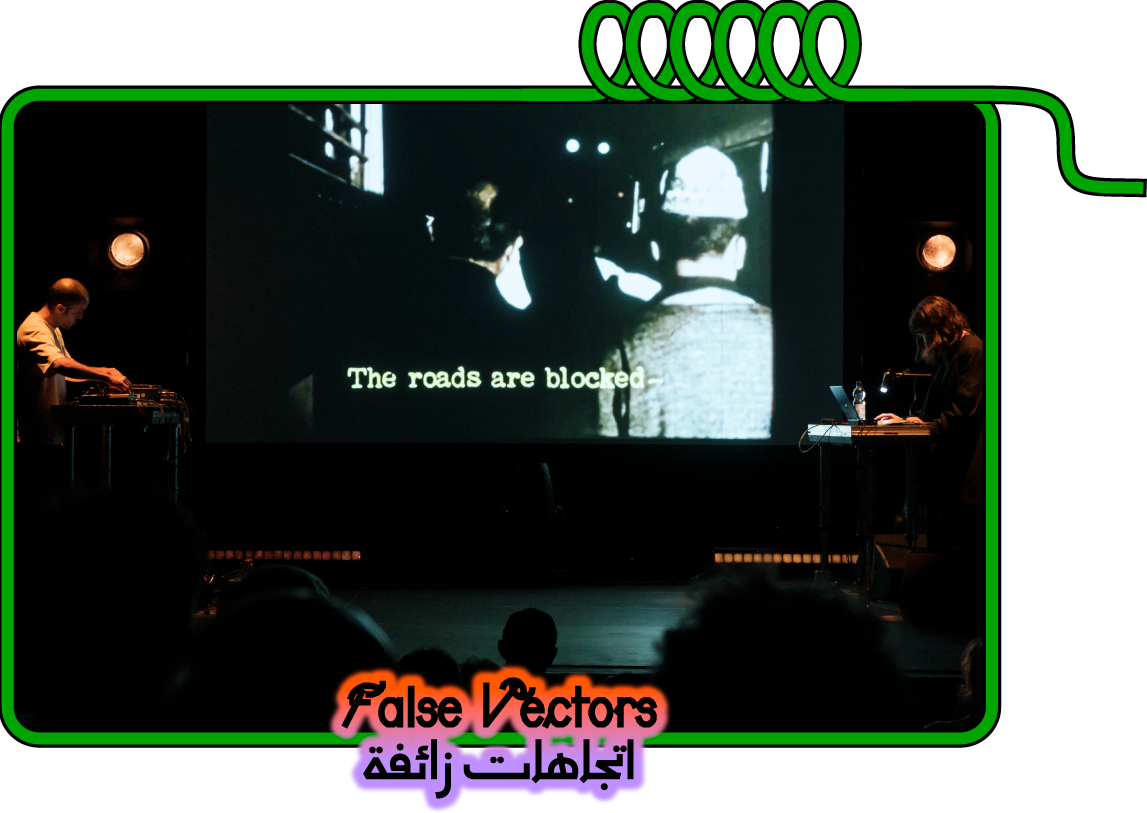
False Vectors is a sound and image performance by Muqata’a and Fairouz Hasan. Sparse and non-linear, the work combines granular soundscapes with microscopic imagery to explore birth, death, interrupted histories, and the fragility of reconstruction. The title invokes the physics concept of a vector, a quantity defined by magnitude and direction, but here the vectors are “false”: trajectories are uncertain, paths are disrupted, and forces collide, creating disorienting directions that mirror the instability of memory, space, and emotion. Through this interplay of sound and image, False Vectors invites an experience of tensions between presence and absence, and the act of navigating a fragmented world.
“اتجاهات زائفة” عرضٌ يجمع بين الصوت والصورة، من إبداع مُقاطَعة و فيروز حسن. يتسم العمل بطابعٍ تجريدي يبتعد عن السرد الخطي، ويجمع بين مقاطع صوتية محببة وصور مجهرية لاستكشاف مفاهيم الولادة والموت، وتاريخ الأحداث المتقطعة، وهشاشة عمليات إعادة الإعمار. يستحضر العنوان دلالته من المفهوم الفيزيائي “المتجه” (Vector)، كمية تُحدّد بالمقدار والاتجاه، غير أن المتجهات هنا “زائفة”؛ إذ تتسم المسارات بعدم اليقين والاضطراب، وتتصادم القوى لتخلق اتجاهات مربكة تعكس حالة عدم الاستقرار وهشاشة الذاكرة والمكان والمشاعر. ومن خلال هذا التفاعل بين الصوت والصورة، يدعو “اتجاهات زائفة” الجمهور لخوض تجربة تستكشف التوترات القائمة بين الحضور والغياب، وتأمل عملية شق الطريق وسط عالمٍ مجزَّأ.